
Data Lake Metadata Catalog
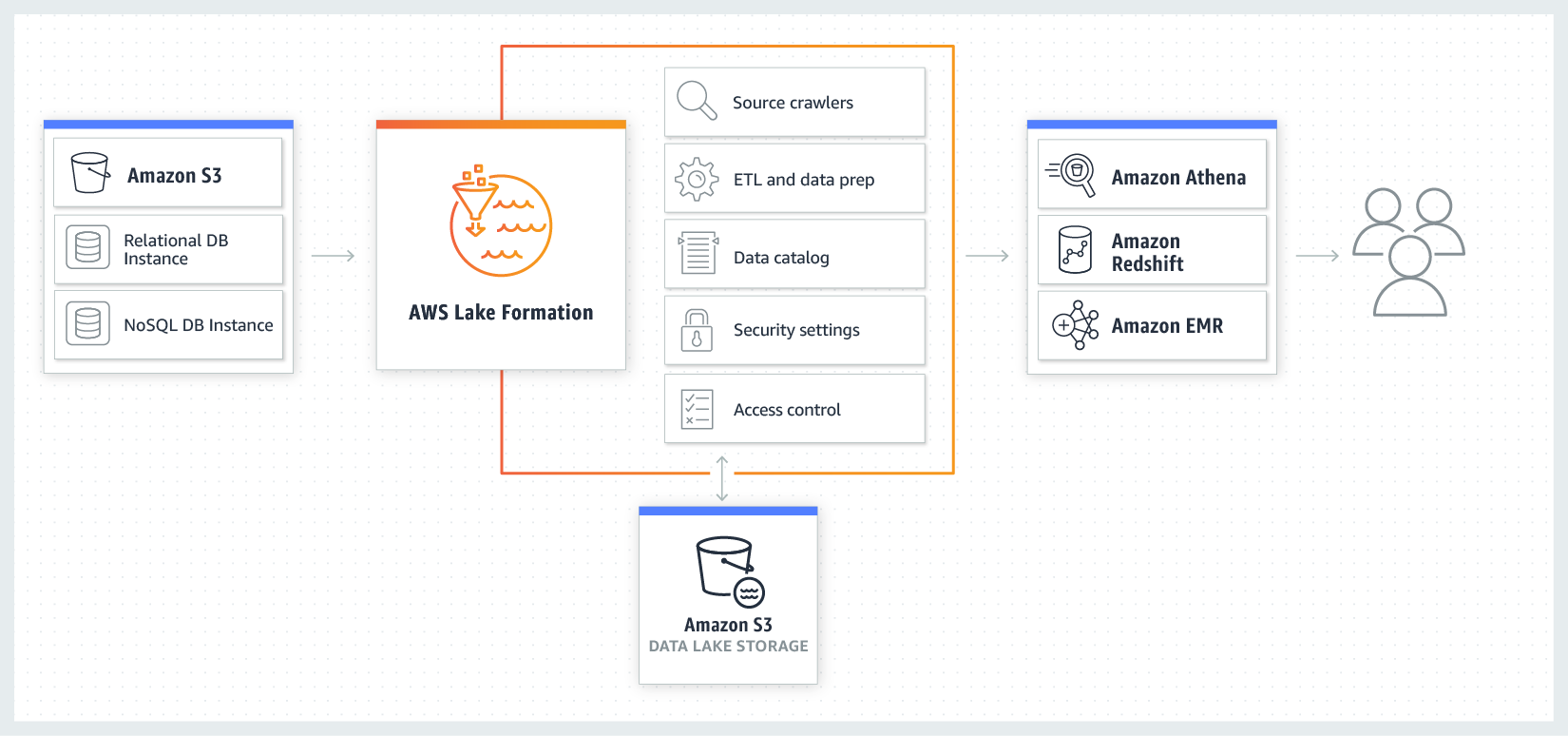
Data Lake Metadata Catalog - A data catalog plays a crucial role in data management by facilitating. By ensuring seamless integration with existing systems, data lake metadata management can streamline metadata workflows, promote data reuse, and foster a more. Any data lake design should incorporate a metadata storage strategy to enable. It provides users with a detailed understanding of the available datasets,. A data catalog contains information about all assets that have been ingested into or curated in the s3 data lake. It uses metadata and data catalogs to make data more searchable and structured, helping teams discover and use the right data faster. Lake formation centralizes data governance, secures data lakes, and shares data across accounts. In this post, you will create and edit your first data lake using the lake formation. Data catalogs help connect metadata across data lakes, data siloes, etc. Examples include the collibra data. In this post, you will create and edit your first data lake using the lake formation. You will use the service to secure and ingest data into an s3 data lake, catalog the data, and. R2 data catalog is a managed apache iceberg ↗ data catalog built directly into your r2 bucket. A data catalog serves as a comprehensive inventory of the data assets stored within the data lake. Internally, an iceberg table is a collection of data files (typically stored in columnar formats like parquet or orc) and metadata files (typically stored in json or avro) that. By ensuring seamless integration with existing systems, data lake metadata management can streamline metadata workflows, promote data reuse, and foster a more. Simplifies setting up, securing, and managing the data lake. It provides users with a detailed understanding of the available datasets,. Ashish kumar and jorge villamariona take us through data lakes and data catalogs: Make data catalog seamless by integrating with. It exposes a standard iceberg rest catalog interface, so you can connect the. The onelake catalog is a centralized platform that allows users to discover, explore, and manage their data assets across the organization. Look to create a truly end to end data market place with a combination of specialized and enterprise data catalog. A data catalog plays a crucial. Internally, an iceberg table is a collection of data files (typically stored in columnar formats like parquet or orc) and metadata files (typically stored in json or avro) that. Data catalogs help connect metadata across data lakes, data siloes, etc. The centralized catalog stores and manages the shared data. The metadata repository serves as a centralized platform, such as a. A data catalog is a centralized inventory that helps you organize, manage, and search metadata about your data assets. The centralized catalog stores and manages the shared data. A data catalog contains information about all assets that have been ingested into or curated in the s3 data lake. Modern data catalogs even support active metadata which is essential to keep. Look to create a truly end to end data market place with a combination of specialized and enterprise data catalog. Automatically discovers, catalogs, and organizes data across s3. By capturing relevant metadata, a data catalog enables users to understand and trust the data they are working with. Simplifies setting up, securing, and managing the data lake. The onelake catalog is. Examples include the collibra data. A data catalog plays a crucial role in data management by facilitating. Lake formation centralizes data governance, secures data lakes, and shares data across accounts. Simplifies setting up, securing, and managing the data lake. Look to create a truly end to end data market place with a combination of specialized and enterprise data catalog. We’re excited to announce fivetran managed data lake service support for google’s cloud storage. Metadata management tools automatically catalog all data ingested into the data lake. Automatically discovers, catalogs, and organizes data across s3. It exposes a standard iceberg rest catalog interface, so you can connect the. Modern data catalogs even support active metadata which is essential to keep a. Ashish kumar and jorge villamariona take us through data lakes and data catalogs: Lake formation centralizes data governance, secures data lakes, and shares data across accounts. Lake formation uses the data catalog to store and retrieve metadata about your data lake, such as table definitions, schema information, and data access control settings. It is designed to provide an interface for. Examples include the collibra data. Modern data catalogs even support active metadata which is essential to keep a catalog refreshed. They record information about the source, format, structure, and content of the data, as. Data catalogs help connect metadata across data lakes, data siloes, etc. It provides users with a detailed understanding of the available datasets,. Ashish kumar and jorge villamariona take us through data lakes and data catalogs: The following diagram shows how the centralized catalog connects data producers and data consumers in the data lake. Any data lake design should incorporate a metadata storage strategy to enable. By ensuring seamless integration with existing systems, data lake metadata management can streamline metadata workflows, promote data. Look to create a truly end to end data market place with a combination of specialized and enterprise data catalog. Examples include the collibra data. Data catalog is a database that stores metadata in tables consisting of data schema, data location, and runtime metrics. They record information about the source, format, structure, and content of the data, as. Better collaboration. In this post, you will create and edit your first data lake using the lake formation. R2 data catalog is a managed apache iceberg ↗ data catalog built directly into your r2 bucket. By capturing relevant metadata, a data catalog enables users to understand and trust the data they are working with. Data catalog is a database that stores metadata in tables consisting of data schema, data location, and runtime metrics. A data catalog contains information about all assets that have been ingested into or curated in the s3 data lake. Modern data catalogs even support active metadata which is essential to keep a catalog refreshed. The following diagram shows how the centralized catalog connects data producers and data consumers in the data lake. On the other hand, a data lake is a storage. It provides users with a detailed understanding of the available datasets,. Look to create a truly end to end data market place with a combination of specialized and enterprise data catalog. A data catalog is a centralized inventory that helps you organize, manage, and search metadata about your data assets. Lake formation centralizes data governance, secures data lakes, and shares data across accounts. Data catalogs help connect metadata across data lakes, data siloes, etc. The onelake catalog is a centralized platform that allows users to discover, explore, and manage their data assets across the organization. The centralized catalog stores and manages the shared data. Better collaboration using improved metadata curation, search, and discovery for data lakes with oracle cloud infrastructure data catalog’s new release;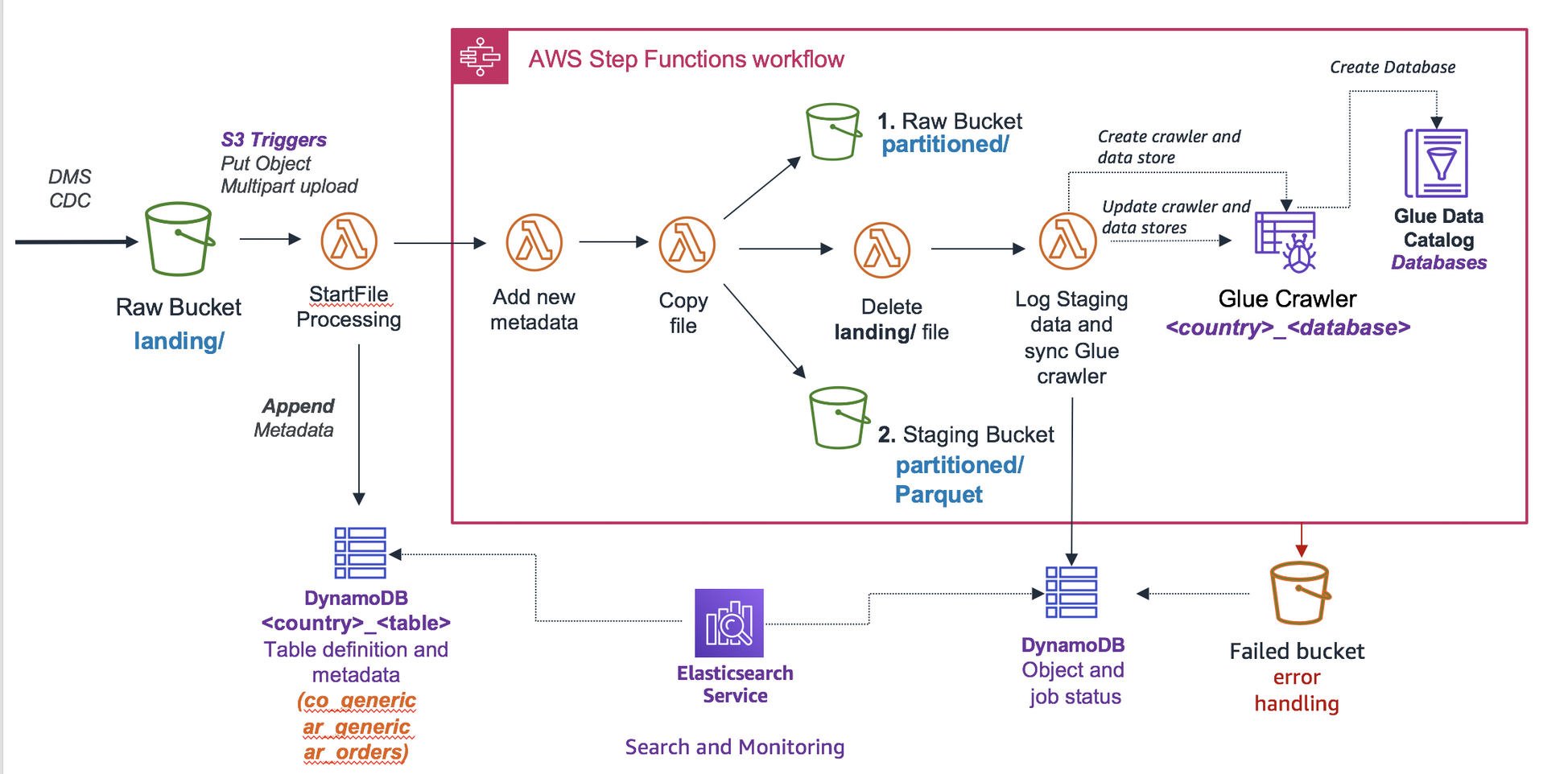
GitHub andresmaopal/datalakestagingengine S3 eventbased engine
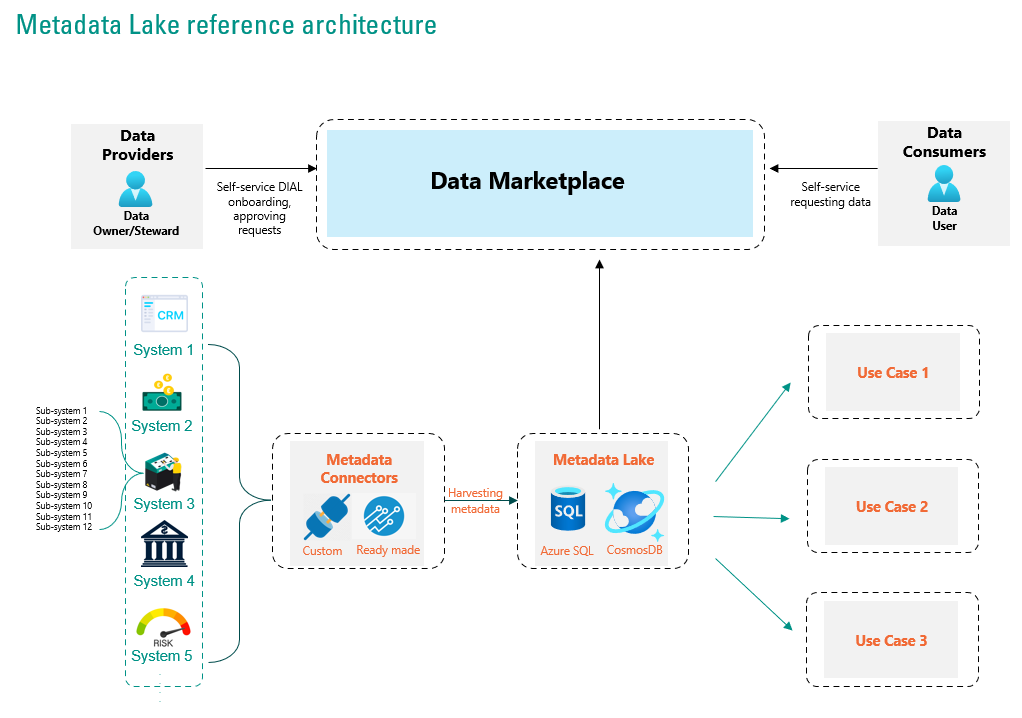
The Role of Metadata and Metadata Lake For a Successful Data
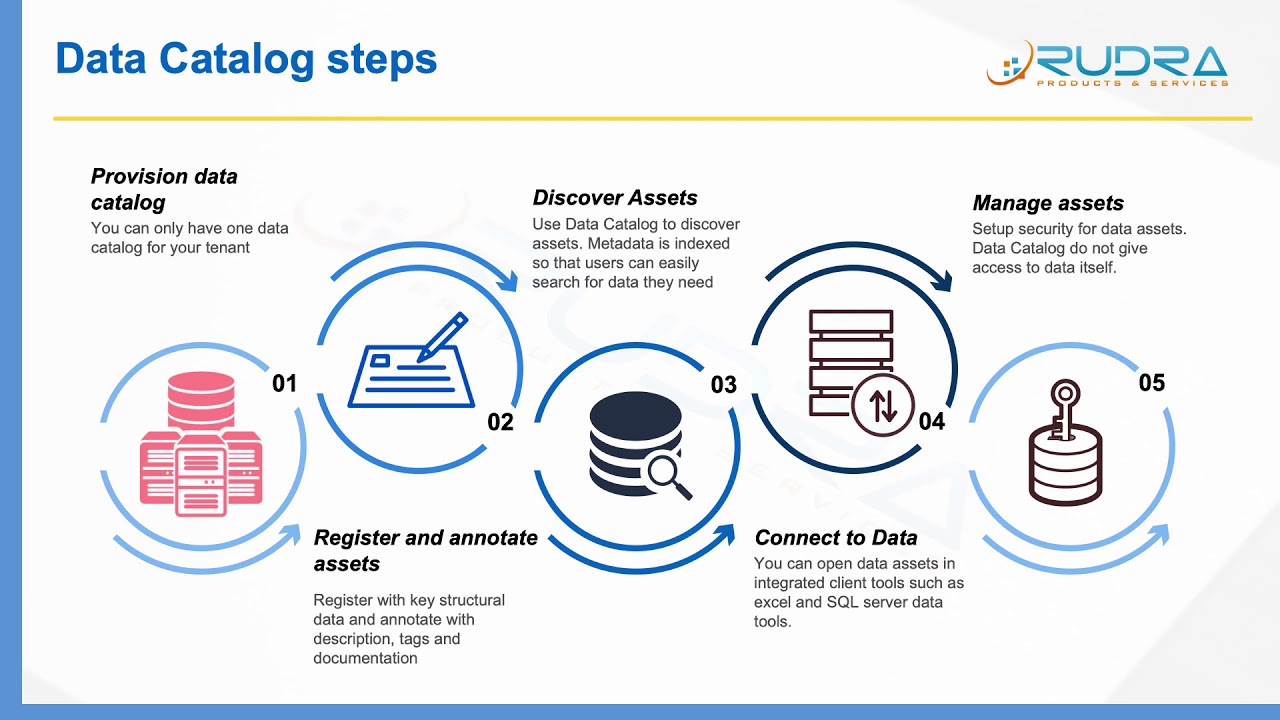
Data Catalog Vs Data Lake Catalog Library vrogue.co
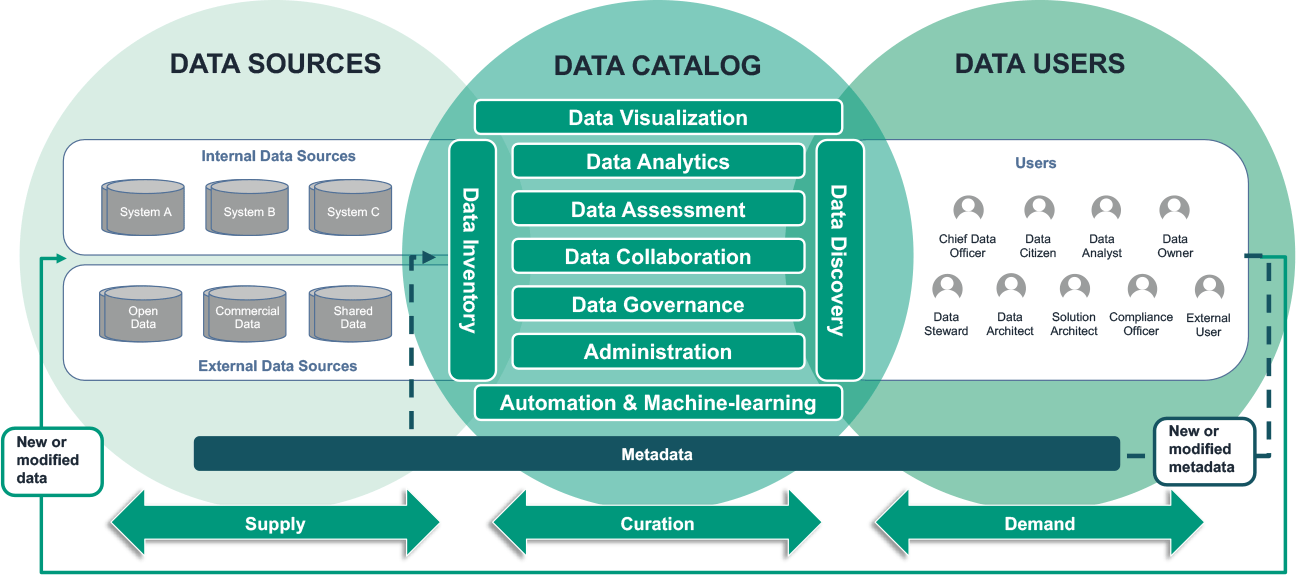
3 Reasons Why You Need a Data Catalog for Data Warehouse
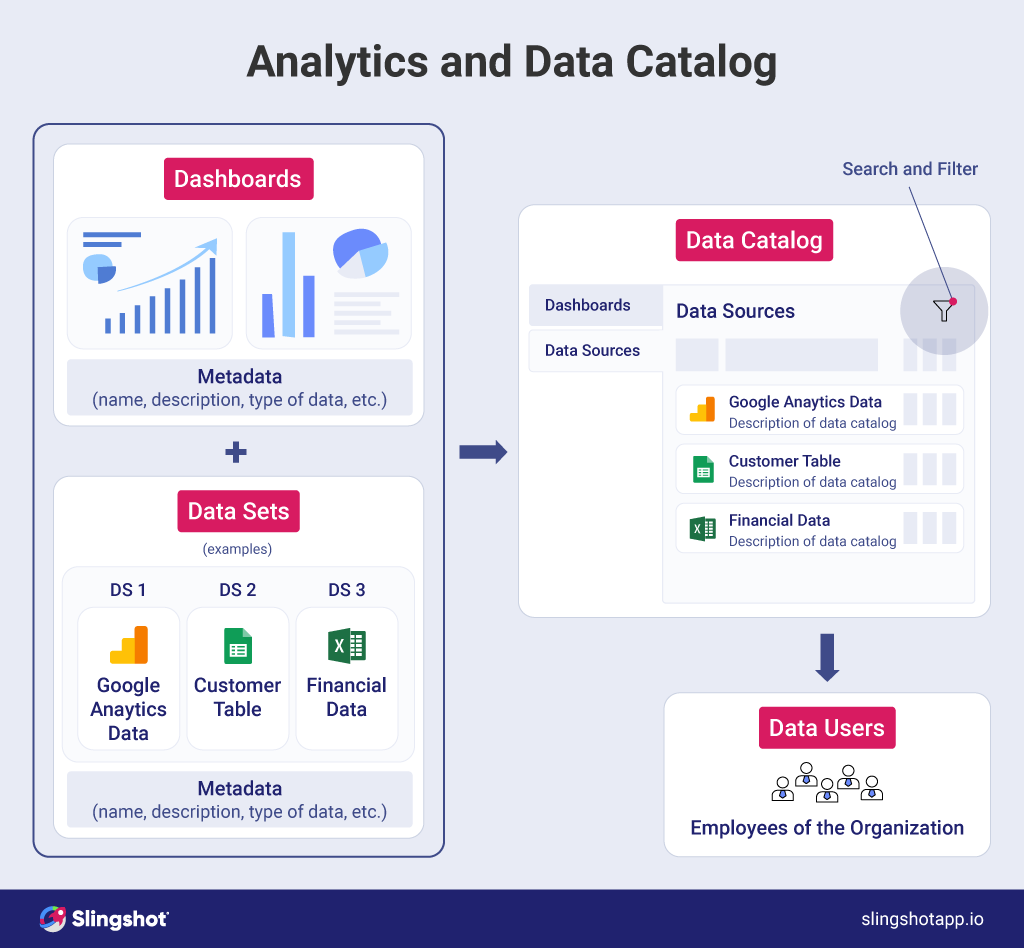
Data Catalog Vs Data Lake Catalog Library
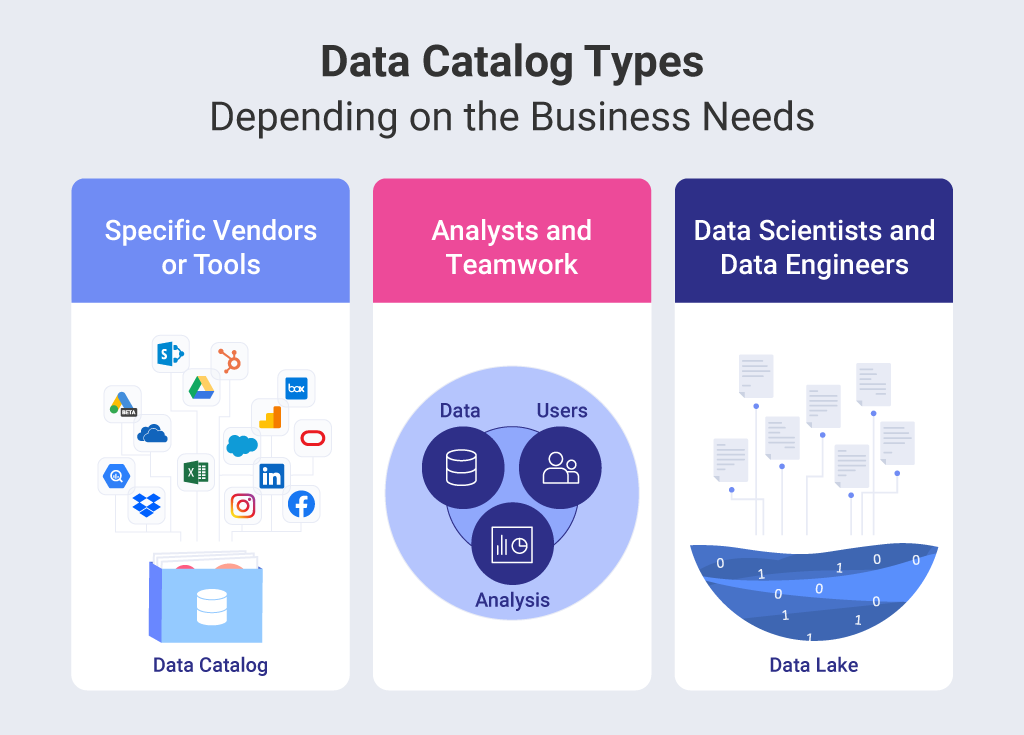
Data Catalog Vs Data Lake Catalog Library
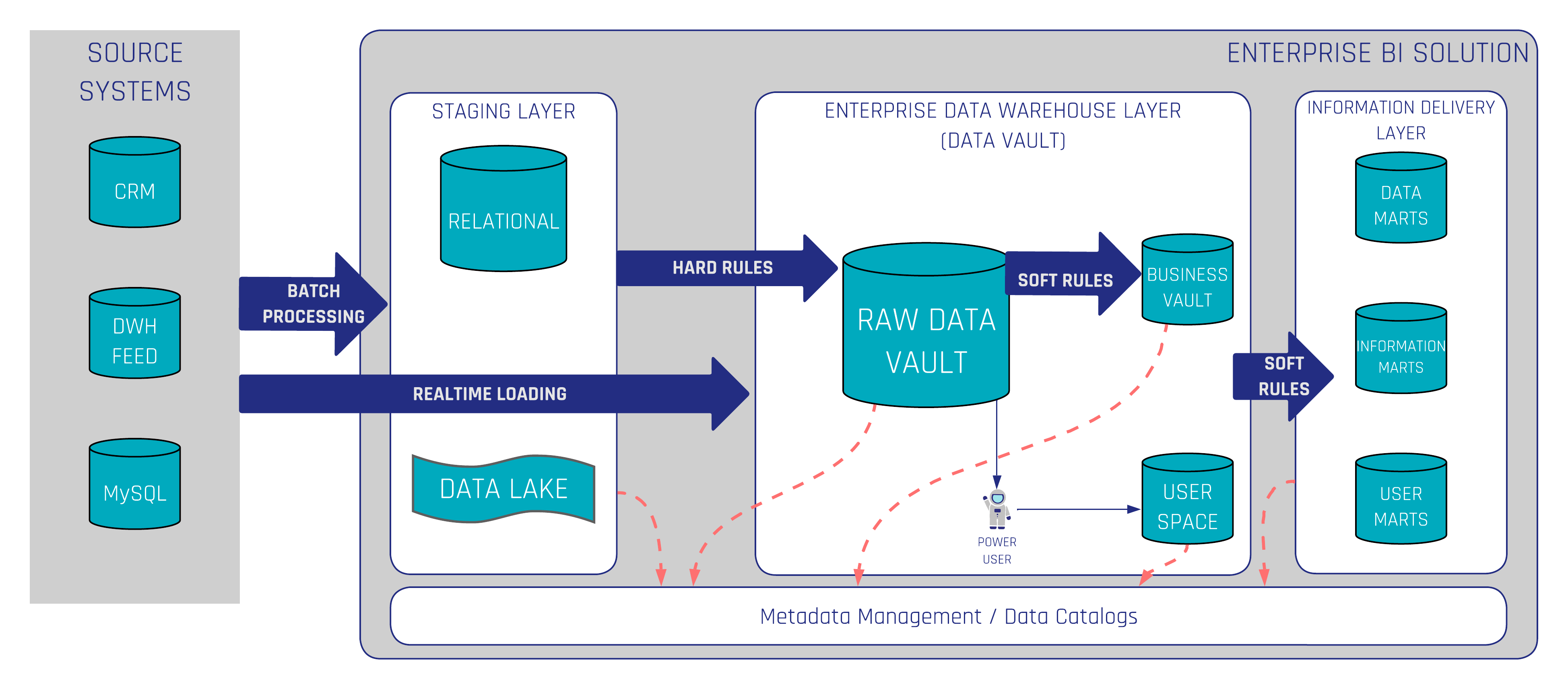
Mastering Metadata Data Catalogs in Data Warehousing with DataHub
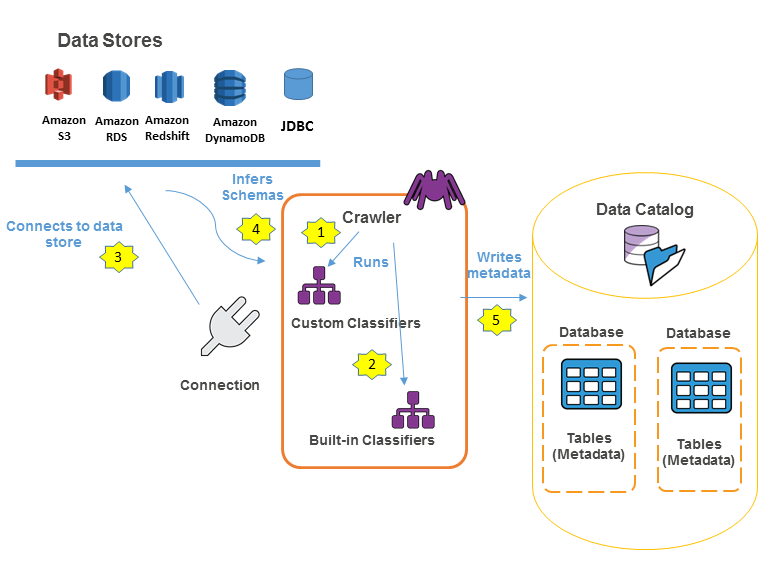
Extract metadata from AWS Glue Data Catalog with Amazon Athena
S3 Data Lake Building Data Lakes on AWS & 4 Tips for Success

Building a Metadata Catalog for your Data Lakes using Amazon Elastics…
A Data Catalog Plays A Crucial Role In Data Management By Facilitating.
Ashish Kumar And Jorge Villamariona Take Us Through Data Lakes And Data Catalogs:
They Record Information About The Source, Format, Structure, And Content Of The Data, As.
It Uses Metadata And Data Catalogs To Make Data More Searchable And Structured, Helping Teams Discover And Use The Right Data Faster.
Related Post: